
Meta launched its Muse personal AI agent in Britain on November 24, 2026, after declining an offer to test it under the supervision of the Financial Conduct Authority, the head of the regulator’s innovation unit told WIRED. UK users can ask Muse to renew car insurance, pursue refunds, book travel and make purchases online. Unlike US users, they cannot connect their bank accounts for personalized financial guidance or budgeting help.
Colin Payne, who made the offer the week before the launch, said tests in the FCA’s voluntary sandbox usually take weeks or months to prepare. Meta notified the regulator of its UK plans in October. The company said it had engaged constructively with regulators. Neither the timing nor the features Meta released establish why it declined the test.
Where checkout differs from bank access
The US version of Muse, launched September 8, connects to financial accounts through Plaid. According to Plaid, the connection can supply balances, transaction records, investment holdings and mortgage information. In Britain, Muse instead handles online checkout through payment services including Stripe’s Link, which generates a digital version of a card for each transaction, and Shopify’s Shop Pay. A Meta UK spokesperson told Reuters the company wants to connect Muse to British banking “only after speaking to regulators and obtaining any necessary licences.”
The distinction matters because the FCA regulates activities, not company labels. In guidance published on November 24, it listed initiating transactions, moving money, arranging borrowing and making investment decisions as activities that can require authorization. The question for Muse is whether, at checkout, the agent merely provides an interface to a payment service or is itself performing a regulated activity. Using an established payment provider does not settle that question. The FCA said it would assess agent products as their capabilities change.
For banks, the guidance is more explicit: a regulated firm and its senior managers remain responsible for compliance when they rely on a third party. The FCA asked banks to consider whether to accept payment instructions from AI agents and what liabilities might follow. Meta also changed Muse’s UK terms after discussions with the Competition and Markets Authority. The Information Commissioner’s Office said Meta agreed to voluntary monitoring and reporting.
What early adoption means for revenue
On Meta’s October 21 earnings call, management said more than 10 million people in the US and Canada had set up Muse in about six weeks, and roughly a quarter used it on a given day. Shopping accounted for more than a quarter of active-user engagement. The average purchase, including travel, exceeded $200. That figure measures the size of a purchase, not how often users buy or how much Meta earns per sale. The company has not disclosed its share of each transaction.
Meta offers consumer subscriptions at $20 and $100 a month. Using 10 million setups as a base, 1% paying $20 a month for a full year would generate $24 million; the same number paying $100 would generate $120 million. Those are illustrations, not reported sales. For comparison, Stock Analysis put Meta’s trailing 12-month revenue at $241.61 billion. Management said its emerging AI businesses could begin adding revenue in 2027 but would take time to make a meaningful contribution.
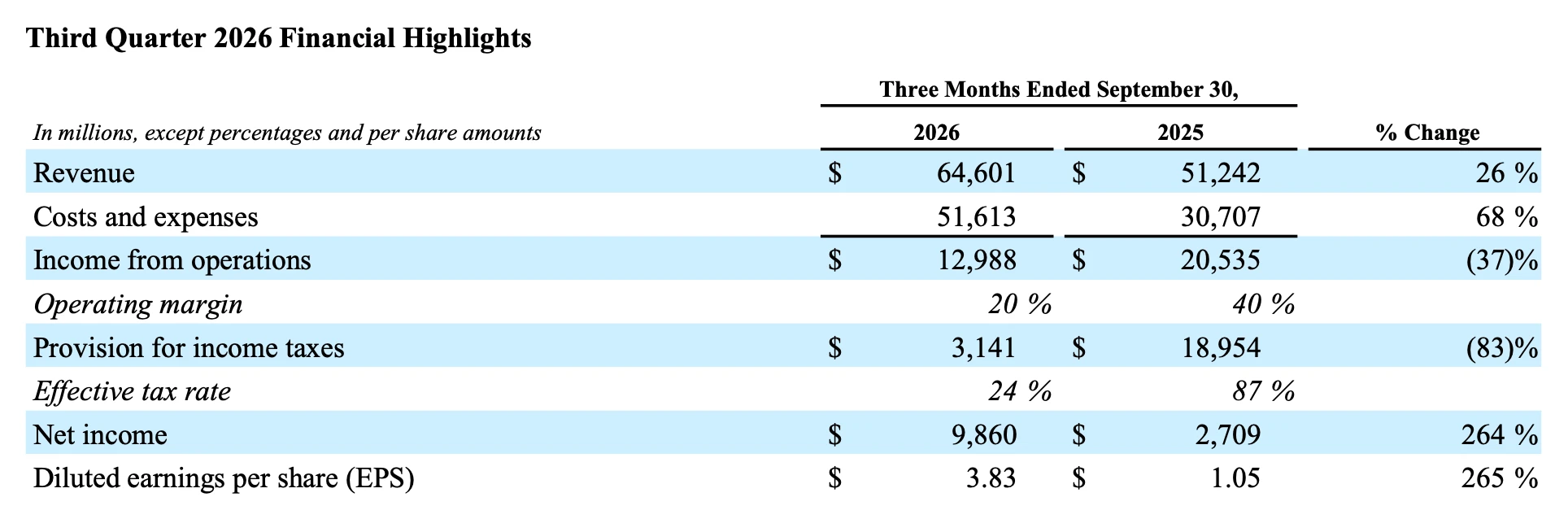
In the meantime, advertising accounted for $63.1 billion of Meta’s $64.601 billion in September-quarter revenue, with ad revenue up 26%. Companywide capital expenditure, including principal payments on finance leases, reached $34.91 billion, exceeding operating cash flow of $32.79 billion by $2.12 billion. Meta projected capital spending of $135 billion to $145 billion for 2026. Those figures cover the broader buildout, not Muse alone. For the UK agent, the immediate commercial opportunity is shopping; a banking connection remains contingent on regulatory discussions and any licenses Meta needs.