Major US pizza chains are facing slower sales as cost-conscious customers weigh more takeout choices, cheaper alternatives and changing eating habits. GLP-1 medication use may be part of the picture, but it is not the only pressure on demand.
The number of US pizza restaurants peaked at 83,035 in August 2019. More than 9,600 pizzerias had closed by July 2026, according to Datassential. Technomic data show that US pizza-restaurant sales fell 0.3% in 2025. Sales at independent pizzerias declined 0.4%, while revenue at chains—which account for about two-thirds of the category’s domestic sales—fell 0.3%.
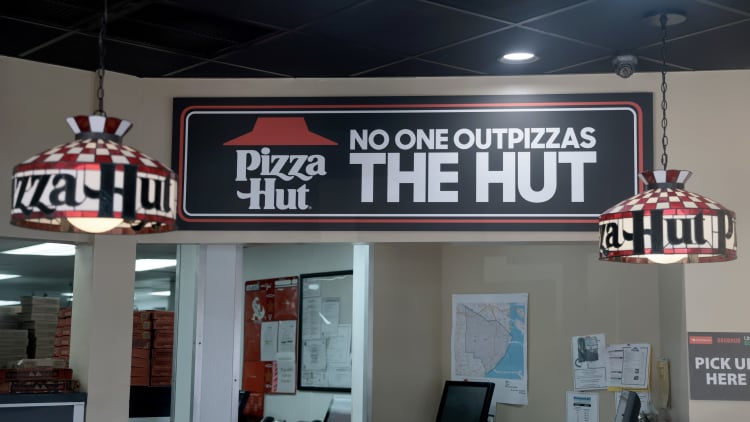
Results varied among the largest chains. Papa Johns reported a 2.5% decline in North American same-store sales in 2025, and Pizza Hut’s US same-store sales fell 5%. Domino’s posted 3% growth at its US restaurants, the only annual same-store sales increase among the three publicly traded pizza chains that year.
Third-party delivery services now make other cuisines and fast-food chains easier to order. Price is another consideration: the average large cheese pizza costs almost $17, according to PMQ Pizza’s 2026 Pizza Power Report. Circana food-industry adviser David Portalatin said food already in consumers’ kitchens tends to win when they seek the least expensive meal.
Changing diets could also affect demand. A 2026 PwC survey found that spending at pizza quick-service restaurants fell 22.2% per GLP-1 household after six to eight months of medication use. That finding does not explain the category’s entire decline.
The downturn remains modest by another measure: Portalatin said total pizza servings were down about 1% in 2026. Chains are responding with new products and operational changes. Domino’s launched a customizable personal pizza in August, while Papa Johns announced a plan in November focused on food consistency and restaurant operations.