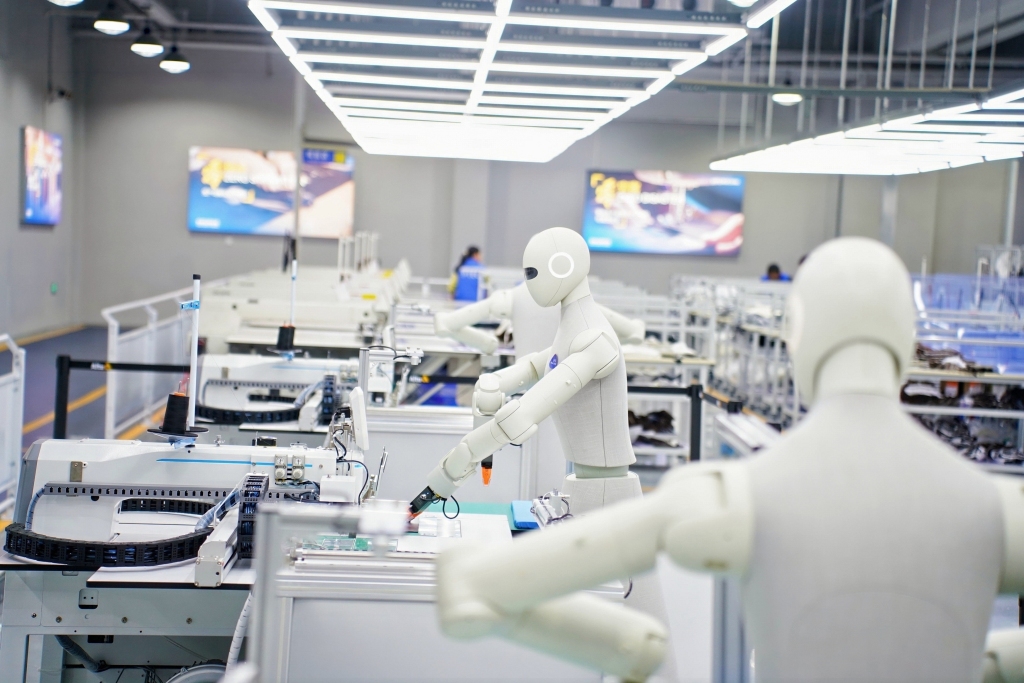
In reporting published on November 19, 2026, clothing retailer Peacebird described a shortage of skilled sewing workers as one reason for testing robots on its production line. The company and technology firm Aitu demonstrated a jointly developed humanoid sewing robot in Ningbo, Zhejiang, on November 18. For now, the robot mainly picks up and positions fabric for tasks involving parts such as cuffs; sewing equipment still performs the stitching.
Peacebird technology director Wang Pengyu said experienced workers remain difficult to recruit even though the company offers sewing workers starting pay of 6,000 to 8,000 yuan a month, plus social insurance and housing-fund contributions. He attributed the pressure partly to an aging workforce and fewer young people entering the trade. Aitu founder and CEO Zhang Hanwen also pointed to the location and working conditions of many traditional factories.
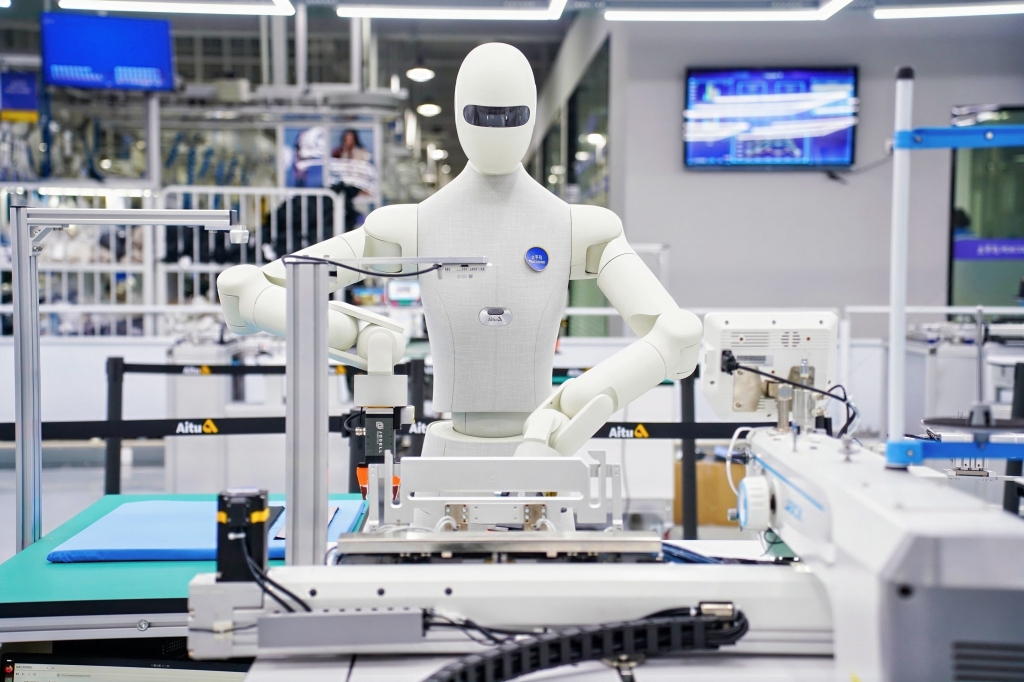
Handling fabric is a technical obstacle: it can slide or change shape as a robot picks it up. Zhang said his team had accumulated more than one million training-data records and achieved a success rate above 96% for a single fabric pickup, though some specialized fabrics remain difficult.
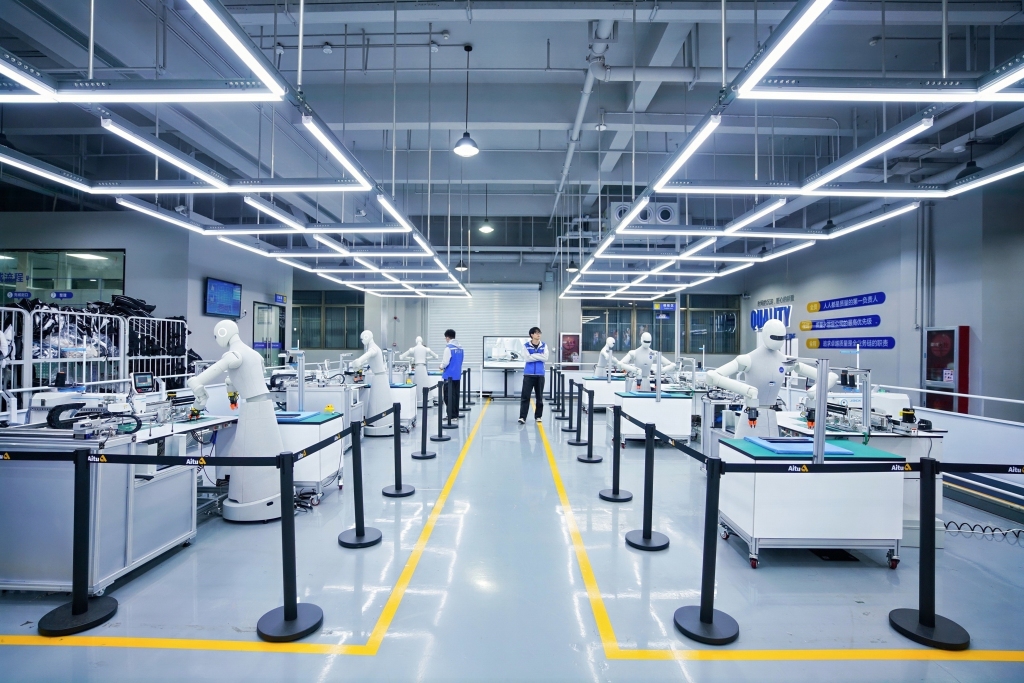
The economics are not yet settled. According to Zhang, the robot’s standard list price is 308,000 yuan, and its current efficiency is about 50% to 70% of a human worker’s. He estimated that changes including new grippers could improve efficiency in the relevant tasks by another 20% to 30%.
Wang said simpler operations could be automated first, while the most difficult tasks—about 10% of the work under Peacebird’s classification—would still require skilled workers in the near term. Zhang’s longer-term view that robots might handle most garment-production tasks in roughly a decade depends on further technical advances. Peacebird had not disclosed a firm bulk-purchase quantity; Wang described the project as a strategic investment rather than one judged solely on its immediate financial return.